A garage door can be the largest moving opening in your home, which makes it a serious weak point when strong winds hit. The best wind rated garage doors are built to resist pressure, limit flexing, and stay secured to the opening when ordinary doors may buckle, pull away from tracks, or fail at their connections. For Los Angeles property owners, this matters most in exposed coastal areas, canyon neighborhoods, hillside homes, and places that see strong Santa Ana wind events.
Choosing a wind-rated door is not just about buying the heaviest door available. The right choice depends on your opening size, the structure around it, local requirements, insulation goals, and whether you need a residential or light-commercial system. A professional evaluation helps ensure the whole assembly is prepared to perform, not just the door panels.
What Makes a Garage Door Wind Rated?
A wind-rated garage door is engineered and tested to withstand defined wind pressures. Rather than focusing only on a single wind-speed number, manufacturers often list a design pressure rating. This measurement reflects how much positive pressure pushes against the outside of the door and how much negative pressure can pull the door outward from the garage.
That distinction matters. A sudden gust can create suction around a building, especially near rooflines and corners. If a garage door gives way, wind may enter the garage and increase pressure inside the home or commercial building. That can contribute to wider damage to the roof, walls, windows, and stored belongings.
A properly rated system may include heavier-gauge steel, reinforced horizontal struts, stronger hinges, upgraded rollers, wind-load tracks, and more secure attachment points. The exact design varies by door size and model. A rating that works for a standard single-car opening may not be enough for a wide double door.
Best Wind Rated Garage Doors by Property Need
There is no one best door for every Los Angeles property. The best fit is the one that meets the required wind load while delivering the appearance, insulation, and daily reliability you expect.
Reinforced Steel Sectional Doors
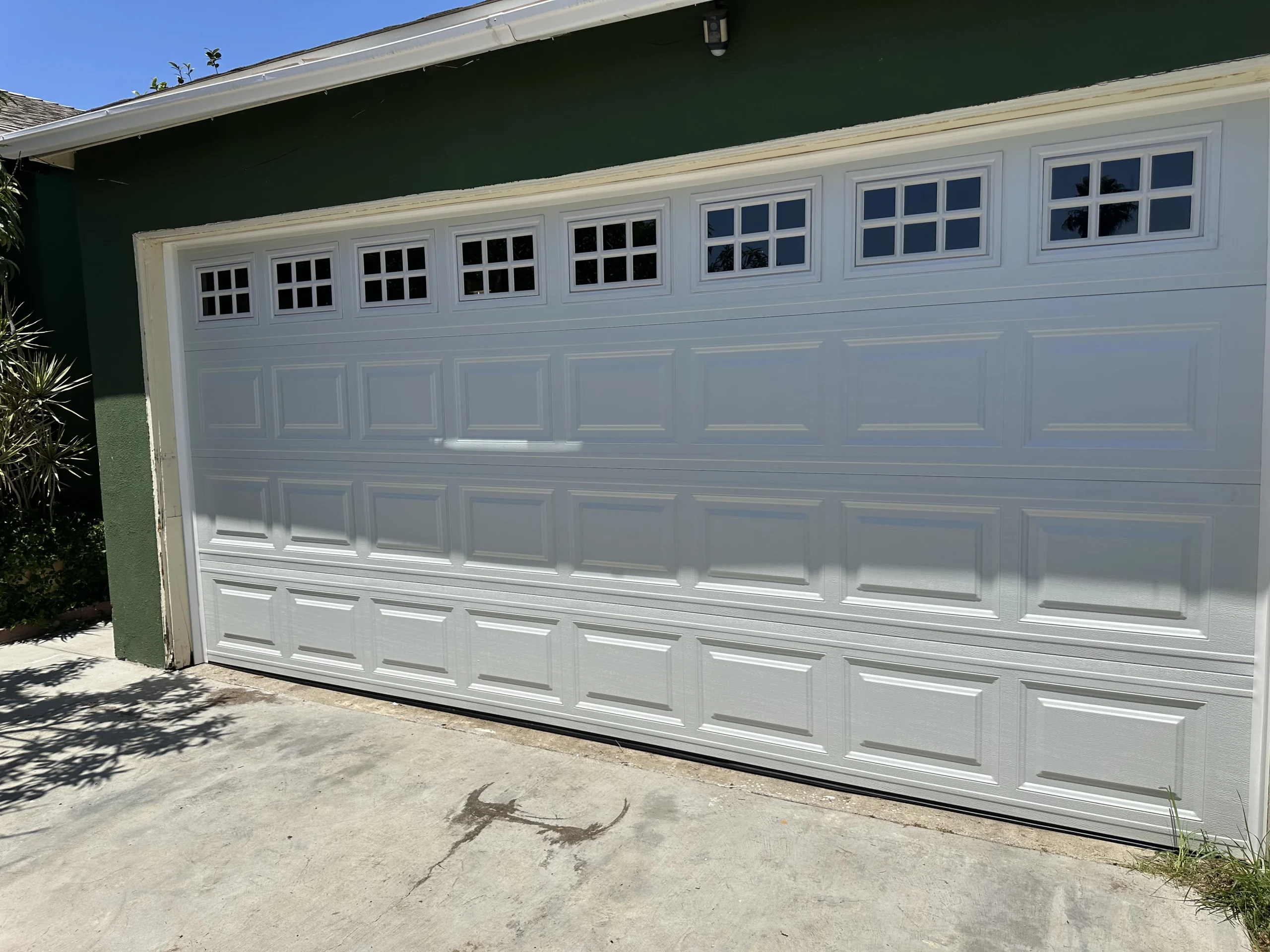
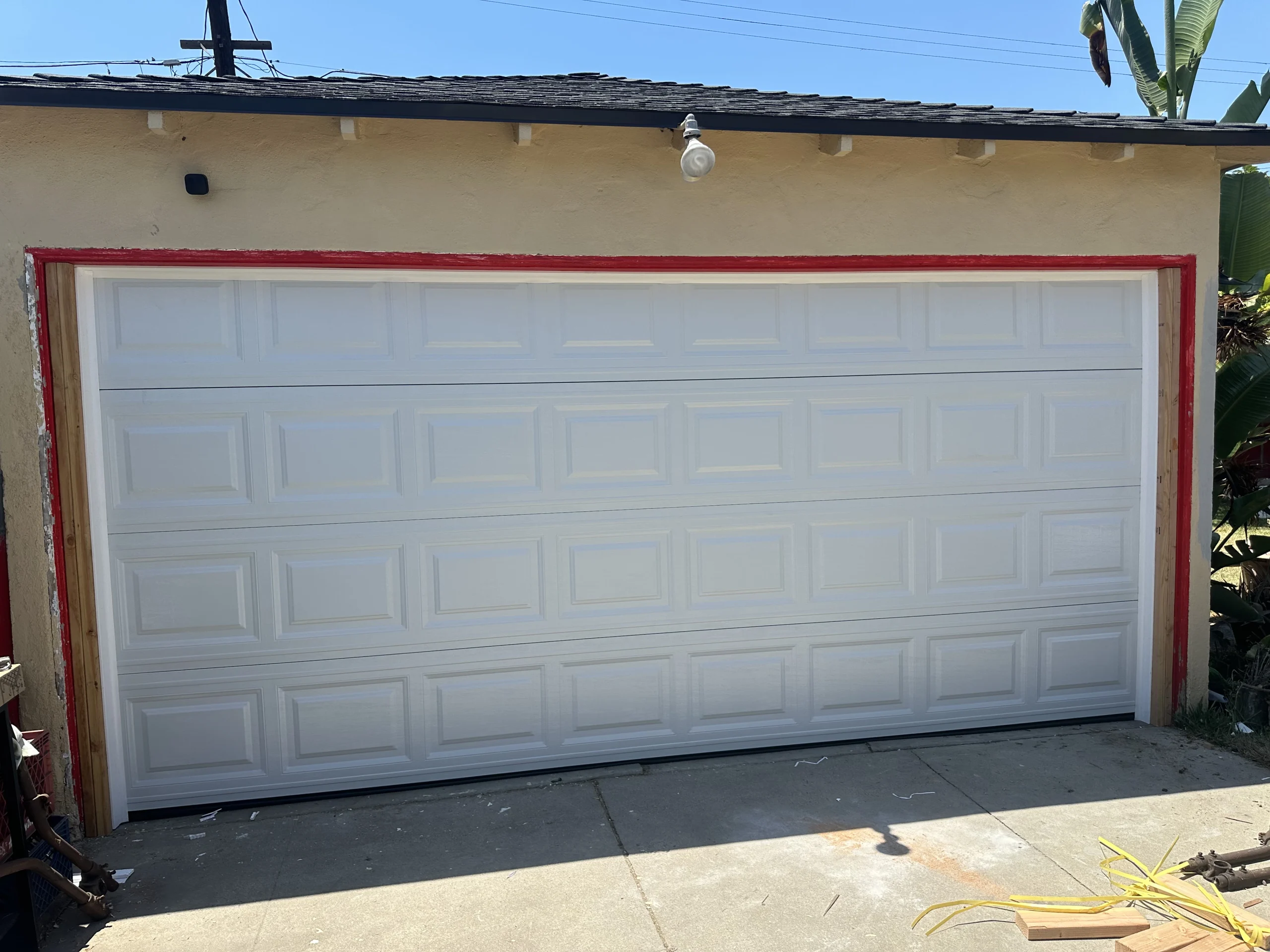
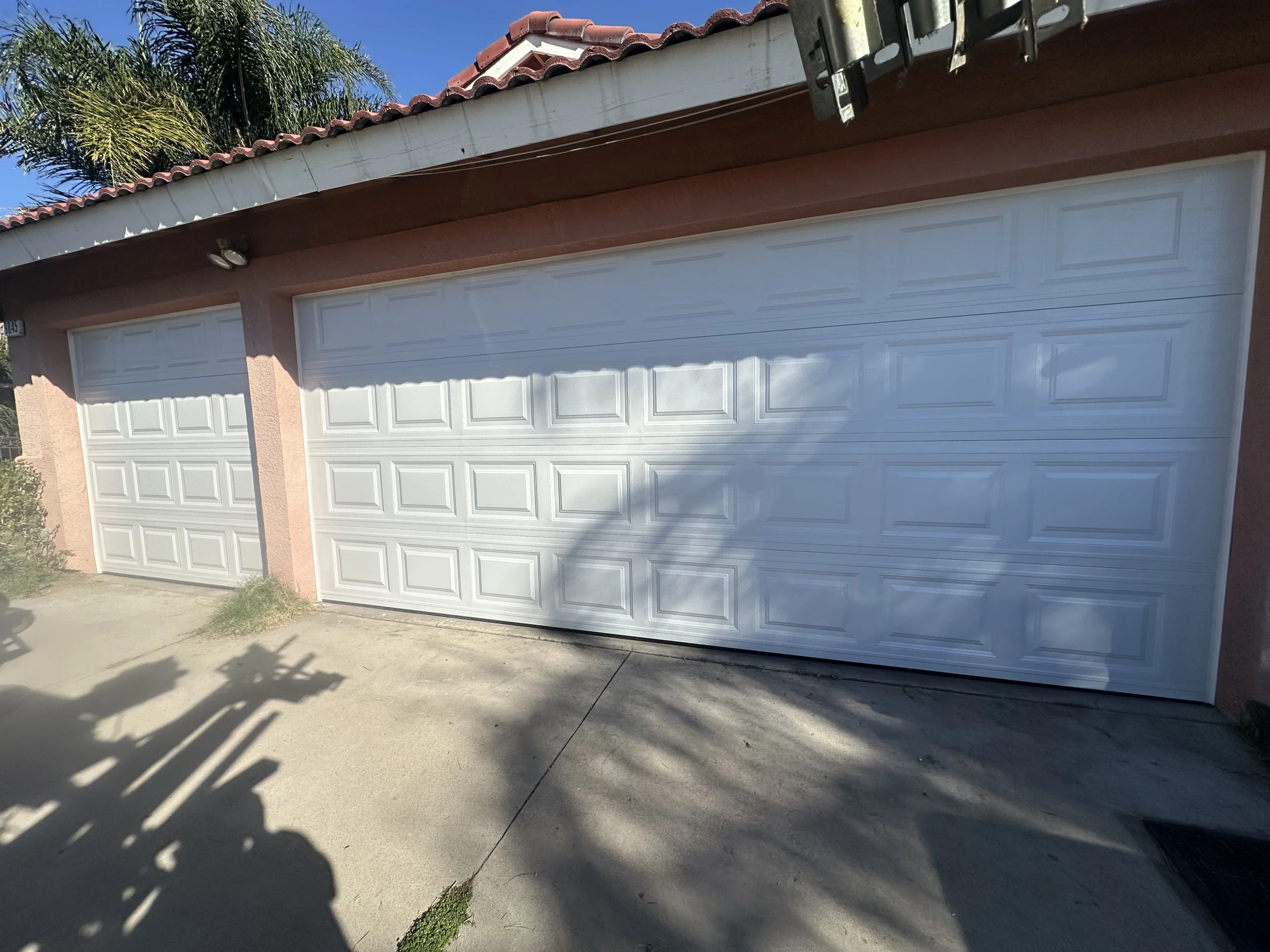
For many homes, a reinforced steel sectional door offers the strongest overall balance of durability, value, and design flexibility. Steel is available in traditional raised-panel styles, carriage-house designs, modern flush panels, and contemporary glass-accented options. Internal reinforcement struts can add substantial resistance without forcing homeowners to compromise on curb appeal.
This is often a practical choice for detached garages, attached garages, rental properties, and small commercial buildings. The trade-off is that a heavier door may require springs selected specifically for its weight. It may also need an opener with the appropriate lifting capacity and force settings.
Insulated Steel Doors for Attached Garages
An insulated wind-rated steel door is especially useful when the garage shares walls with living space or is used as a workshop, home gym, or storage area. The insulated core helps moderate heat transfer and can reduce the rattling sound associated with thinner doors during windy conditions.
Insulation does not automatically make a door wind rated. The structural reinforcement, track system, hardware, and installation method are what determine wind performance. Still, a high-quality insulated steel door can be an excellent long-term upgrade when both energy comfort and storm resistance are priorities.
Aluminum and Glass Doors With Wind-Rated Frames
Modern aluminum and glass garage doors can work well for contemporary homes, showrooms, and commercial spaces, but they require closer attention to engineering details. Large glass sections and lightweight aluminum frames need approved glazing and a frame system designed for the wind exposure of the site.
These doors can deliver exceptional natural light and a clean architectural look. However, they are not always the most economical choice for high-exposure locations, and repairs may cost more if panels or specialty glass are damaged. Ask about the specific rating for the exact size, glass configuration, and hardware package being quoted.
Heavy-Duty Commercial Sectional Doors
Small warehouses, auto shops, storage facilities, and service businesses need a door that can handle both wind pressure and frequent cycles. Heavy-duty commercial sectional doors typically use stronger track assemblies, commercial-grade rollers, reinforced sections, and higher-cycle spring systems.
For a business, downtime has a cost. A properly specified door should account for daily traffic, delivery schedules, vehicle clearance, security needs, and wind exposure. Selecting a basic residential-style system for a demanding commercial opening can lead to premature wear even if the door looks adequate on day one.
Check the Rating, Not Just the Marketing
The phrase “wind resistant” can sound reassuring, but it is not enough on its own. Before choosing a door, ask for documentation showing the tested wind-load or design-pressure rating for the model and size you are considering. Ratings can change based on width, height, window placement, reinforcement options, and track configuration.
You should also confirm whether the rating applies to the complete installed system. A strong door panel paired with undersized tracks or weak attachment points is not a complete wind-rated solution. The jambs, header area, fasteners, brackets, tracks, springs, and opener setup all play a role in safe operation.
For properties subject to local permitting requirements, a qualified installer can help match the door to applicable code requirements and submit the needed specifications. Requirements may differ by city, property type, and location. A coastal property or a building near an exposed hillside may call for a different approach than a more sheltered neighborhood.
Why Installation Quality Matters as Much as the Door
Even the best wind rated garage doors cannot perform as intended when they are installed poorly. Track alignment must be precise, mounting hardware must be secured to sound framing, and reinforcement components must be installed exactly as specified by the manufacturer.
This is also why an existing door cannot always be made wind rated by adding a few reinforcement bars. In some cases, upgrades are possible. In others, the original panels, tracks, hinges, or framing are not designed to support the required load. A technician should inspect the entire opening before recommending a retrofit.
Proper spring balancing is another essential step. Wind-rated doors may be heavier than standard models, and an incorrectly balanced door places unnecessary strain on the opener, cables, drums, and springs. The opener should guide the door, not carry its full weight.
Practical Features Worth Adding
Wind resistance should lead the decision, but several supporting features can improve everyday performance and long-term value. Insulation is worth considering for attached garages and temperature-sensitive storage. Durable weather seals help reduce dust, wind-driven debris, and moisture around the perimeter of the opening.
Windows can add curb appeal and daylight, but they should be selected with the door’s wind rating in mind. Decorative windows affect the panel structure, so they need to be part of the tested door configuration rather than an afterthought. If security is a concern, ask about glazing options and window placement that protect privacy without sacrificing style.
A battery backup opener is also a practical addition. It does not make the door more wind resistant, but it can provide reliable access during a power outage. For homes with frequent arrivals, medical needs, or a garage that serves as the main entry point, that added access can be valuable.
Maintain the System After Installation
A wind-rated door needs regular care to remain dependable. Loose bolts, worn rollers, cracked hinges, frayed cables, and bent tracks can reduce performance long before a major failure occurs. Homeowners can keep the track area clear, look for visible damage, and pay attention to new noises or uneven movement.
Leave spring, cable, and high-tension adjustments to a trained garage door technician. These components store significant force and can cause injury or further damage when handled incorrectly. A professional maintenance visit can identify wear early, lubricate appropriate moving parts, check balance, and confirm that reinforcement hardware remains secure.
A wind-rated garage door should give you more than a higher specification on paper. It should give you confidence that your property has a stronger, better-secured entry point when weather turns unpredictable. For a new installation, replacement, or evaluation of an existing door in Los Angeles, Samurai Garage Door can help you choose a system that fits your opening, your property’s exposure, and the way you use your garage every day.