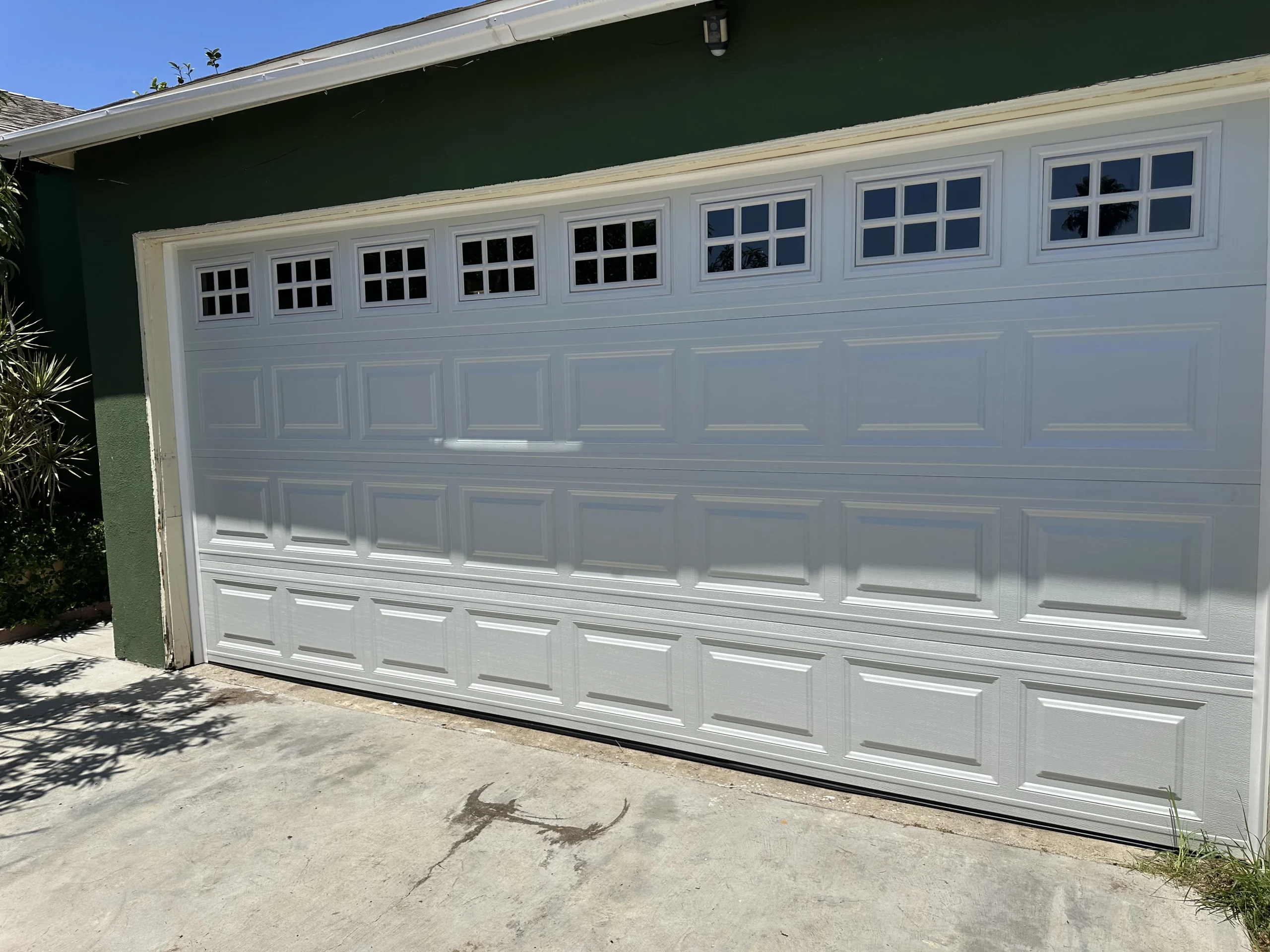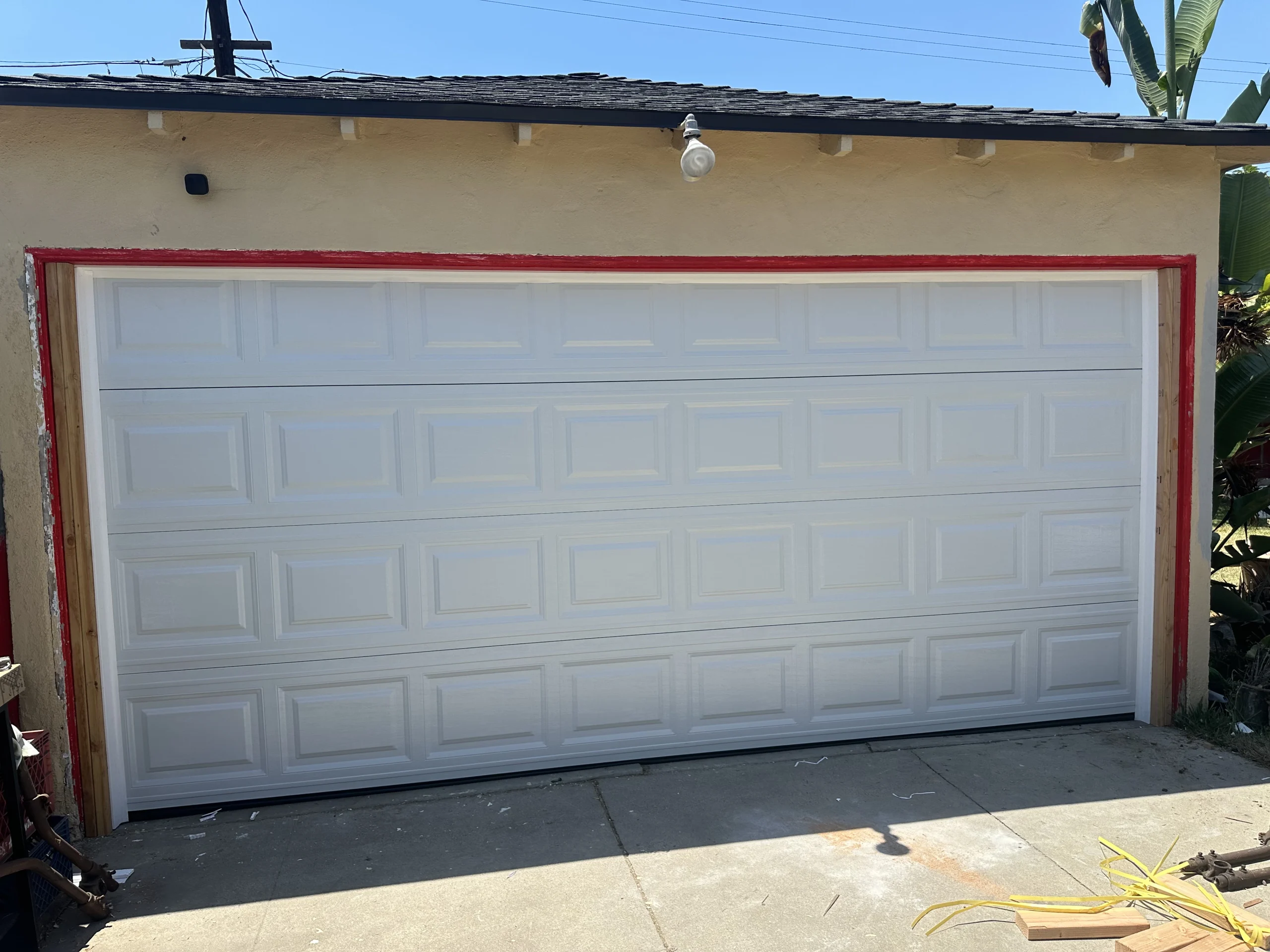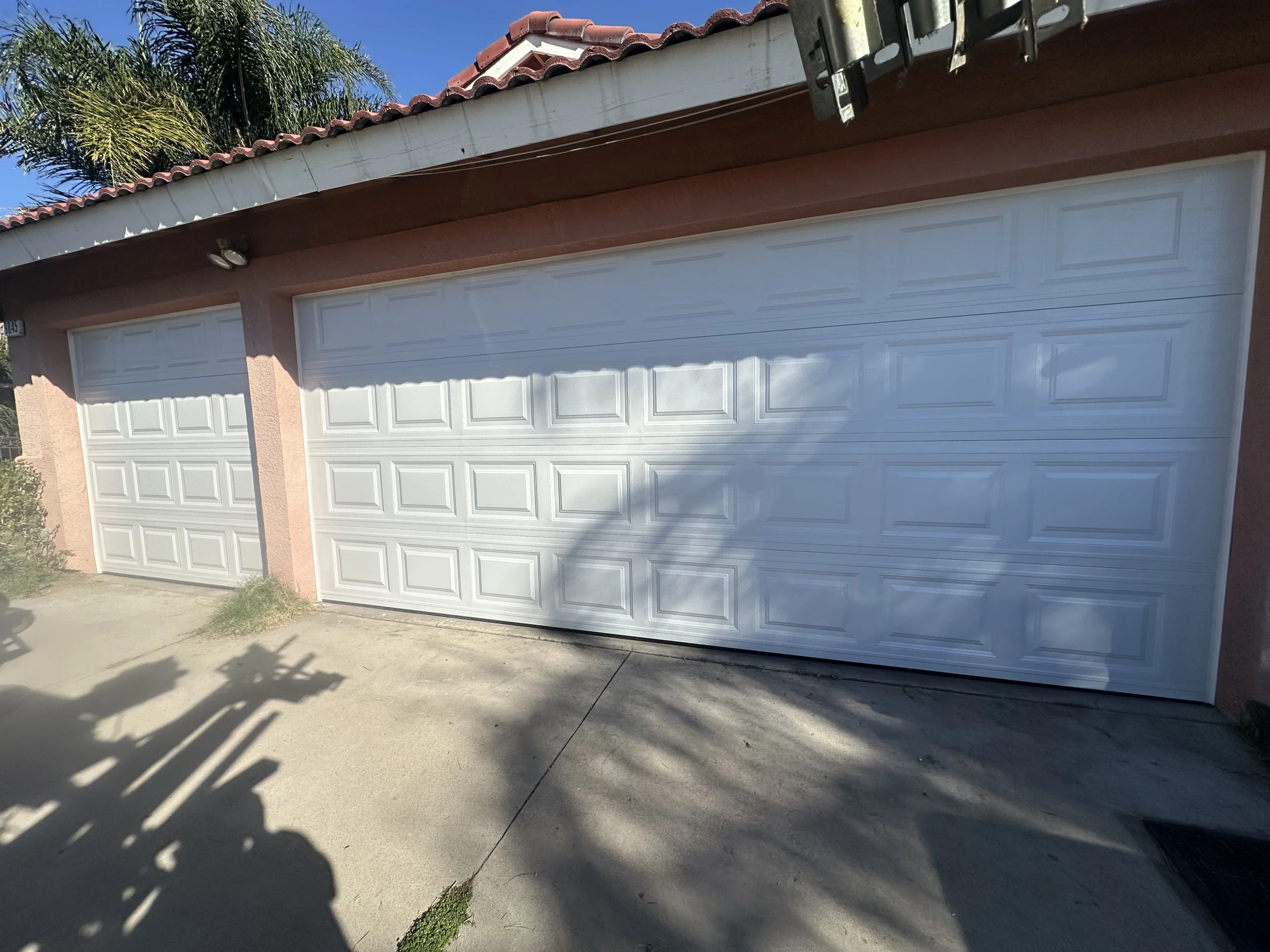
A garage door can look perfectly normal from the driveway and still be the largest vulnerable opening in a home. When high winds push against a wide door, when a vehicle bumps a lower panel, or when hardware begins to loosen with age, the door can flex in ways it was never meant to. So, do garage doors need reinforcement? Sometimes – especially when the door is older, oversized, exposed to wind, or showing signs of structural wear.
Reinforcement is not a one-size-fits-all upgrade. The right solution depends on the door’s material, size, condition, track system, local exposure, and the loads it must handle. A professional inspection can determine whether targeted bracing will extend the life of your existing door or whether replacement is the safer, better-value option.
When Do Garage Doors Need Reinforcement?
Most well-installed, newer garage doors are engineered to operate safely under normal conditions. That does not mean every door has the same margin of strength. A single-car steel door in a sheltered location faces different demands than a wide double door on a hillside property or near the coast.
Reinforcement becomes worth considering when the door bows, shakes excessively, rattles during operation, or shows repeated damage around hinges, rollers, or panel joints. A door that has been struck by a vehicle, bent by strong wind, or forced while stuck may also need more than a cosmetic panel repair. Even if it still opens, hidden stress can affect its ability to stay aligned in the tracks.
Older wood doors often need special attention. They can be attractive and durable, but their weight and age may place extra strain on hardware and framing. Large glass-panel doors, insulated doors, and custom doors can also require stronger support because their weight and design create different operating loads.
Wind Reinforcement Protects the Largest Opening
Wind is one of the clearest reasons to reinforce a garage door. When wind pressure causes a door to bend inward or pull away from its tracks, the garage becomes an opening where pressure can build rapidly. That can lead to more extensive damage to the door, framing, roof, and nearby property.
Los Angeles properties do not all face the same wind conditions. Homes in coastal communities, open hillside areas, and locations exposed to seasonal Santa Ana winds may need a closer look than a protected home surrounded by neighboring structures. Building requirements can also vary by location and by the age of the home, so a technician should evaluate the door as part of the entire opening rather than simply attaching a brace and calling the job complete.
A reinforced door is not automatically a hurricane-rated door, and a basic horizontal strut is not a substitute for a code-compliant wind-load system where one is required. The goal is to match the upgrade to the door, the opening, and the real risk.
Common Reinforcement Options
Horizontal reinforcement struts are among the most common upgrades. Installed across the interior of a section, they reduce flexing and help distribute force across the panel. They are especially useful on wide doors, top sections that support an automatic opener arm, and doors that have begun to bow.
Stronger hinges, upgraded roller brackets, and properly secured track supports can help a door travel more smoothly and resist movement that gradually loosens the system. In some cases, technicians reinforce the jamb attachment points or replace worn track components rather than adding material to the door itself.
For wind-prone openings, a purpose-built bracing system may be recommended. These systems can include vertical supports that connect the door area to stronger structural points. Because they must be sized and installed correctly, professional evaluation matters. Improvised bracing can interfere with door travel, add unsafe weight, or create a false sense of security.
Reinforcement Can Help With Daily Wear, Too
Not every reinforcement decision starts with a storm concern. Garage doors open and close hundreds or thousands of times over their service life. Over time, repeated cycles can loosen fasteners, fatigue hinges, wear rollers, and cause panels to sag. If an opener has to pull a door that is flexing or binding, both the motor and the door system work harder than they should.
A properly placed strut can stabilize a sagging top section. Replacing damaged hinges and worn rollers can reduce vibration. Correcting a loose track or weak mounting point can prevent a small alignment problem from turning into an off-track emergency.
That said, reinforcement will not repair every issue. A cracked panel, severely rusted bottom section, rotted wood, damaged track, or compromised spring system may require replacement parts or a new door. Adding braces to a door with major structural damage can delay the real repair while making the system heavier and harder to balance.
The Trade-Off: Added Strength Also Adds Weight
More metal is not always better. Every strut, brace, and upgraded component adds weight to the moving door. Garage door springs are calibrated to counterbalance the door’s weight, allowing it to open safely by hand and with an automatic opener. If reinforcement is added without checking spring balance, the opener may strain, the door may not stay open properly, and springs may wear out sooner.
This is one reason homeowners should avoid drilling into sections or installing heavy DIY braces without guidance. Garage door springs, cables, and bottom brackets are under significant tension. Adjustments to these components can be dangerous without the proper tools and training.
A qualified technician should confirm that the springs, cables, rollers, tracks, and opener are appropriate for the updated weight and operation of the door. The technician can also identify whether the door’s current condition makes reinforcement sensible or whether replacement will deliver better long-term security and appearance.
Signs Your Door Should Be Inspected Soon
Call for a garage door inspection if the door visibly bends when operating, has been hit or blown off alignment, makes new grinding or popping noises, or shakes heavily as it moves. Other warning signs include loose hinges, separated panels, tracks pulling away from the wall, recurring roller problems, and an opener that seems to struggle with a door it once lifted easily.
Do not continue cycling a door that is partially off track, hanging unevenly, or supported by damaged cables. Disconnecting or forcing the opener can make the damage worse and create a safety risk. In an urgent situation, professional service can stabilize the system, assess the damage, and recommend the safest next step.
Reinforce or Replace? Make the Decision on Condition
Reinforcement is often a practical investment when the door is generally sound, the panels are intact, and the concern is excess flexing or insufficient support. It can improve reliability while preserving a door that still matches the property and operates well.
Replacement may be the better choice when the door has widespread rust, repeated panel failures, substantial impact damage, outdated hardware, or poor insulation. A new door can provide an integrated, properly rated system rather than asking aging components to carry added loads. It also gives homeowners and property managers an opportunity to improve curb appeal, insulation, security features, and opener compatibility at the same time.
For commercial and light-commercial properties, the decision is even more operational. A reinforced door that reduces downtime can be valuable, but a worn door that repeatedly interrupts deliveries, tenant access, or daily business may justify replacement sooner.
Samurai Doors and Gates helps Los Angeles-area property owners assess garage door strength, hardware condition, wind exposure, and operating safety. The right recommendation should be based on what your door needs – not on selling an upgrade you do not need. If your door is flexing, noisy, damaged, or exposed to strong wind, arranging an inspection now can prevent a small weakness from becoming a costly access and security problem later.