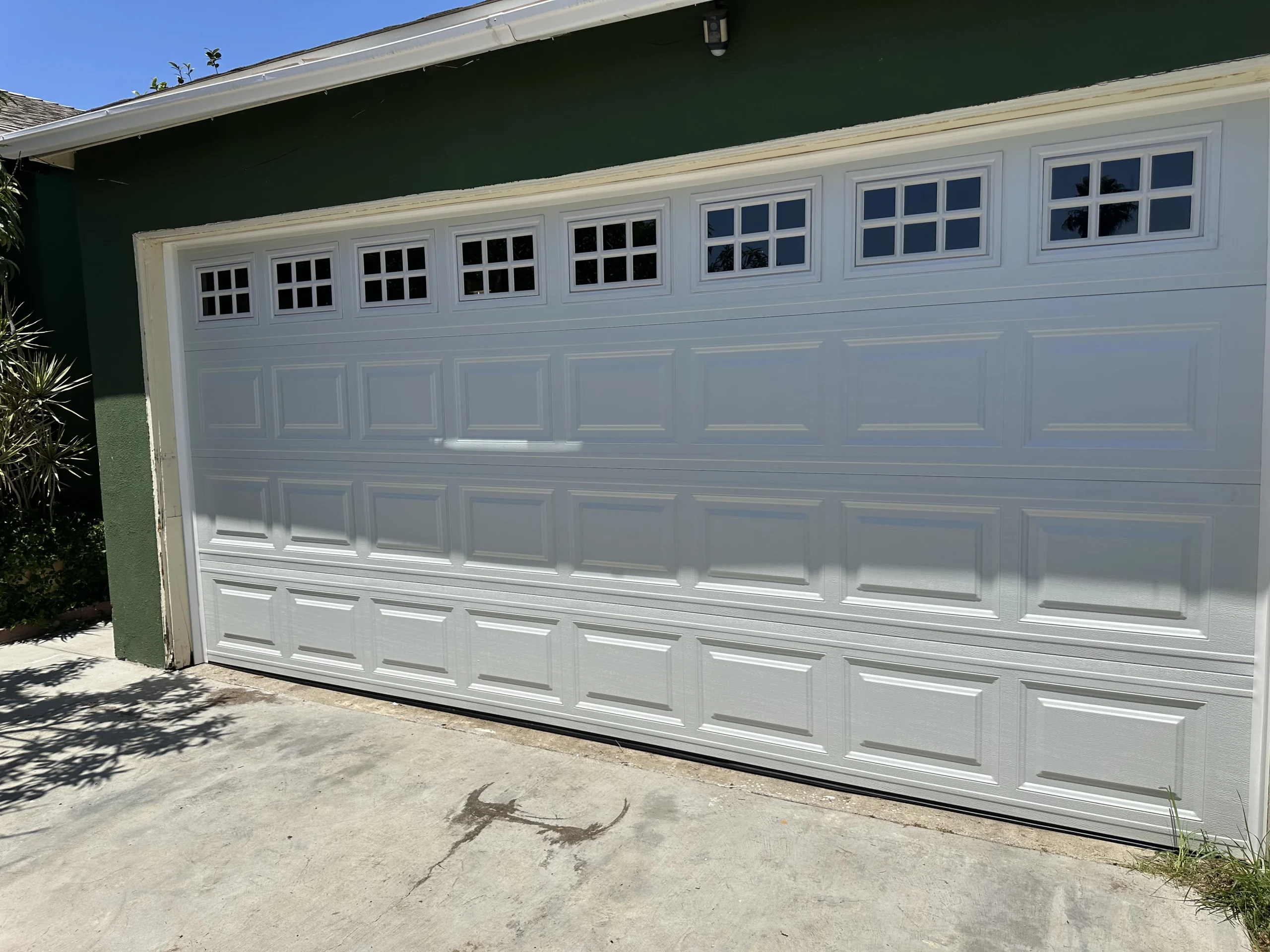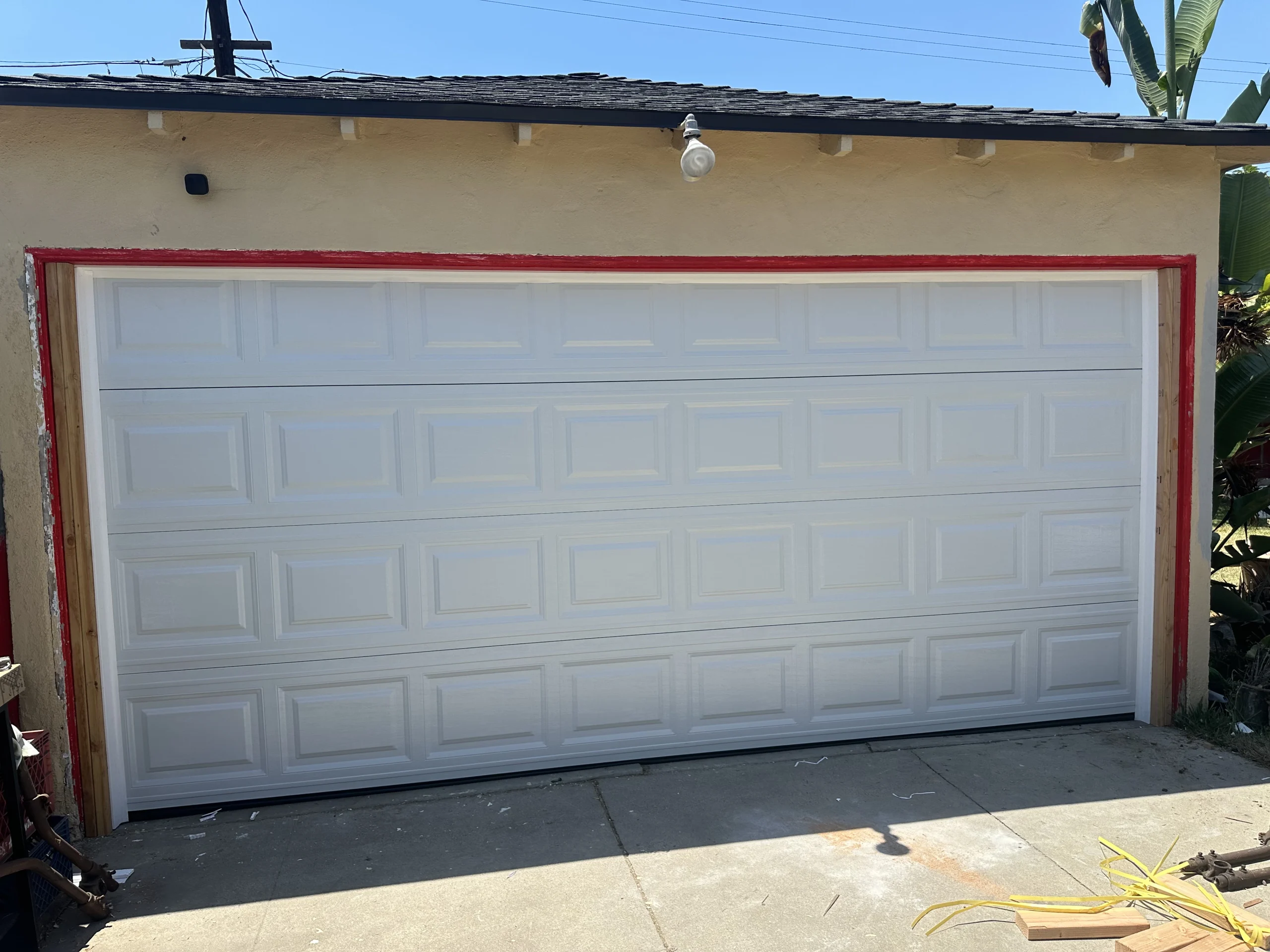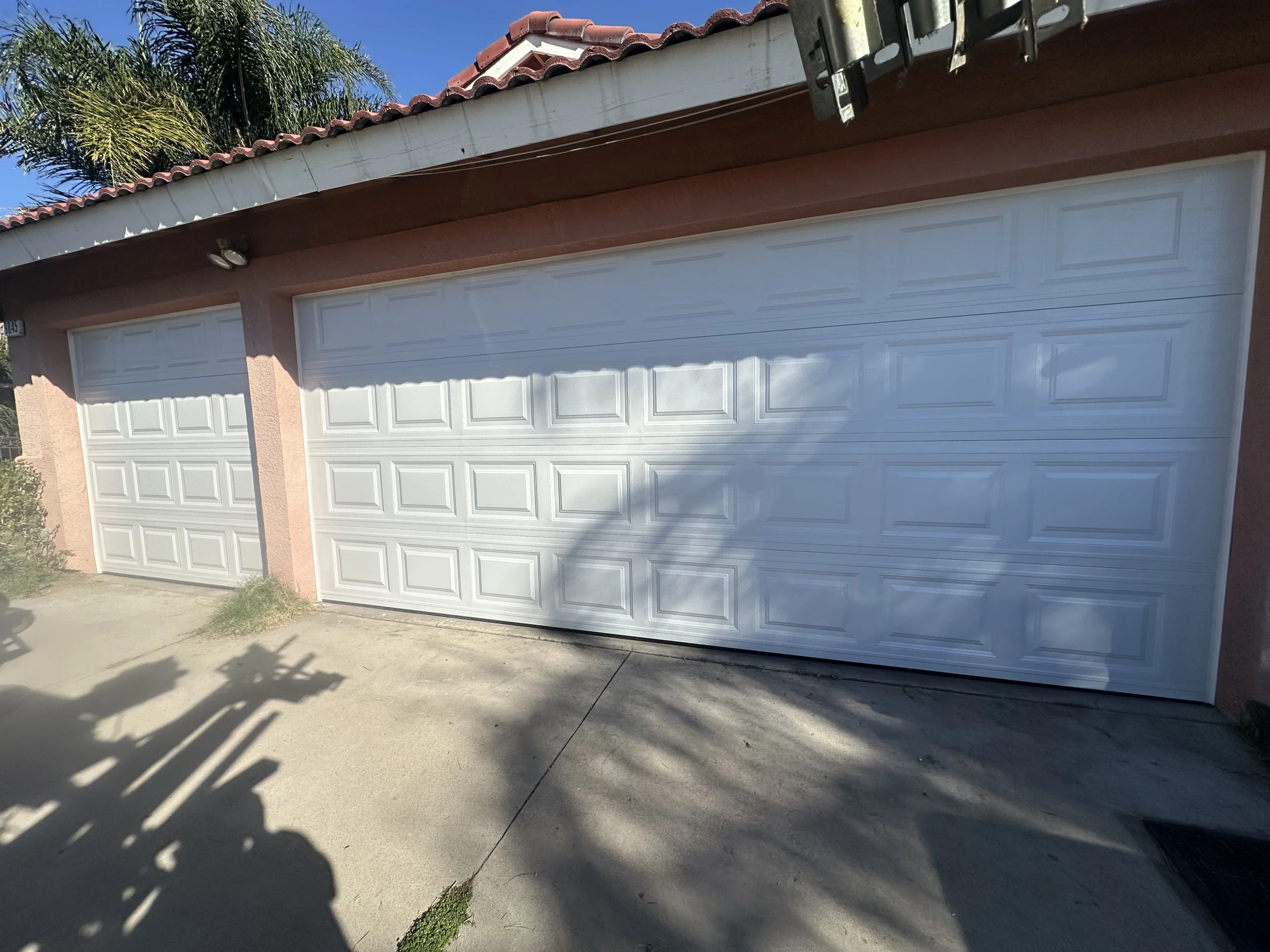
A garage door can be easy to overlook until it refuses to open when you are leaving for work, makes a grinding sound late at night, or stops closing securely. Quality garage doors do far more than cover an opening. They protect vehicles and stored belongings, affect your home’s curb appeal, and provide a daily point of access that needs to work safely every time.
For homeowners, property managers, and small business owners, the right decision is rarely just about choosing a style or responding to a breakdown. It means balancing security, durability, insulation, operating convenience, and the condition of the existing system. A door that looks great but has an undersized opener or worn tracks will not deliver dependable service. Likewise, a repair that restores movement without addressing a failing spring or damaged panel may only delay the next problem.
What Makes a Garage Door a Smart Property Investment
A well-selected garage door improves both practical performance and the way a property presents from the street. On many homes, the garage door is one of the largest visible exterior surfaces. Replacing an outdated, dented, or mismatched door can noticeably improve curb appeal without changing the entire facade.
Appearance matters, but security and reliability should come first. A garage door is a moving, weighted system made up of panels, tracks, rollers, cables, springs, and an opener. Every part has to work together. When one component is worn or misaligned, the system can become noisy, difficult to operate, or unsafe.
For a rental property or light commercial space, dependable access also affects operations. A door that will not open can interrupt deliveries, prevent access to equipment, or create a frustrating issue for tenants and staff. Investing in professional installation, timely repair, and routine maintenance helps avoid disruptions that usually cost more than preventative care.
Choosing Garage Doors for Your Needs
There is no single best garage door for every property. The best fit depends on the opening size, local weather exposure, how the garage is used, your preferred appearance, and your budget. A detached garage used only for parking has different needs than an attached garage that shares walls with living space.
Material Changes More Than Appearance
Steel remains a popular choice because it is durable, versatile, and available in many finishes and panel designs. It can provide a classic raised-panel look, a modern flush appearance, or a carriage-house style. Insulated steel options are especially useful for attached garages, where reducing heat transfer and outside noise can make nearby rooms more comfortable.
Wood offers a warm, custom look that can complement traditional, craftsman, or high-end properties. It does require more maintenance than steel, particularly in areas exposed to intense sun or moisture. Composite and faux-wood options can be a practical middle ground for owners who want a wood-inspired finish with less ongoing upkeep.
Aluminum and glass garage doors are often chosen for contemporary homes, showrooms, and commercial-facing spaces. They bring in natural light and create a clean architectural look, but privacy, insulation, and glass durability should be considered carefully. What works beautifully on a protected modern facade may not be the best choice for a garage that receives heavy daily use or direct afternoon sun.
Insulation Is About Comfort and Efficiency
An insulated garage door is not only for cold climates. In Los Angeles, garages can absorb substantial heat, especially when they face west or sit beneath living areas. Insulation can help moderate temperature swings, reduce street noise, and make the garage more usable as a workspace, storage area, or home gym.
The value depends on the rest of the space. If a garage has no insulation in its walls or ceiling and is rarely used, a premium insulated door may offer less noticeable benefit. For an attached garage, however, insulation is often a worthwhile upgrade that supports comfort throughout the home.
Style Should Support the Property, Not Fight It
A garage door should look intentional alongside the rest of the property. Clean-lined doors with dark windows may suit a contemporary home in Culver City or West Hollywood, while carriage-style panels can fit more naturally with traditional architecture in Pasadena or San Marino. Color, window placement, hardware, and panel pattern all influence the final result.
Keep practical needs in view. Windows add style and daylight, but they should be positioned to protect privacy and fitted with appropriate glass. Decorative hardware can enhance a carriage-house design, but it should not interfere with operation. A professional can help match the door to the home while ensuring the system is built for daily use.
When Repair Makes Sense and When Replacement Is Better
Many garage door problems can be repaired efficiently. A door that reverses unexpectedly may have misaligned safety sensors. Excessive noise can come from worn rollers, loose hardware, or a lack of lubrication. A door that opens unevenly may need track adjustment, cable service, or spring replacement.
Repair is often the practical choice when the door panels are in good condition and the issue is limited to a specific part. Replacing rollers, cables, hinges, sensors, or an opener can restore reliable performance without the cost of a full new door.
Replacement becomes a stronger option when there is extensive panel damage, repeated breakdowns, severe corrosion, poor insulation, or an outdated system that no longer meets the property’s needs. If several major components are failing at once, repairing each item separately can become less cost-effective than installing a properly matched new door and opener.
A damaged single panel can sometimes be replaced, but availability matters. Older doors may no longer have matching panels in production, and a new panel may not blend with years of sun fading. In those cases, a full replacement may provide a better visual result and more dependable long-term value.
Warning Signs That Should Not Wait
Garage doors usually give notice before a complete failure. Addressing those signs early can prevent further damage and reduce the chance of being stuck inside or outside the garage.
Pay attention if the door moves slowly, shakes, hangs unevenly, makes new scraping or popping sounds, or requires repeated attempts to open. A door that closes and immediately reverses may have a sensor issue, an obstruction, or a force-setting problem. If the remote works inconsistently, the cause could range from a weak battery to an opener or programming concern.
A visible gap in a torsion spring, a loose cable, or a door that feels unusually heavy are more serious warnings. Springs and cables are under significant tension. Do not attempt to adjust, remove, or replace them without proper training and tools. A professional technician can inspect the full system, identify the actual source of the problem, and make repairs safely.
For urgent situations, such as a door stuck open overnight, a vehicle trapped inside, or a damaged door that will not secure the property, emergency service can help restore access and protection quickly. This is especially valuable for businesses and property managers responsible for tenant safety and secure storage.
Simple Maintenance That Extends Door Life
A little attention can prevent many common issues. Once a month, watch the door through a full opening and closing cycle. It should move smoothly, remain reasonably quiet, and sit evenly on the ground when closed. Keep the photo-eye sensors clean and make sure nothing blocks their path near the floor.
Every few months, inspect the tracks for debris and check visible hardware for looseness. Lubricate moving metal parts such as rollers, hinges, and springs with a garage-door-specific lubricant when appropriate. Avoid coating the tracks with heavy grease, which can collect dirt and interfere with smooth movement.
Test the opener’s auto-reverse feature according to the manufacturer’s instructions. This safety function is designed to stop and reverse the door when it encounters resistance. If it does not respond correctly, stop using the automatic function until it has been inspected.
Professional maintenance adds another level of protection. A technician can assess spring balance, cable condition, roller wear, track alignment, opener force settings, and other details that are easy to miss. For doors used several times a day, annual service is a sensible way to catch wear before it becomes a larger repair.
The Value of Professional Installation and Service
Garage door work is not simply about fitting panels into an opening. Correct measurements, track placement, spring selection, opener compatibility, and safety testing all determine how well the system performs. An improperly installed door can wear out faster, operate noisily, and create avoidable safety risks.
Working with a local, licensed, and insured service provider also gives property owners a clearer path when questions arise after installation or repair. Samurai Doors and Gates helps Los Angeles-area customers evaluate their options, from emergency repairs and spring service to custom door replacements and automated access upgrades. The goal is not to push the most expensive option. It is to recommend a solution that fits the property, the usage level, and the owner’s priorities.
If your garage door has become louder, slower, less secure, or less attractive than it should be, do not wait for a complete failure to decide what comes next. A professional assessment can turn a frustrating daily problem into a safer, more dependable entrance that supports your property for years.