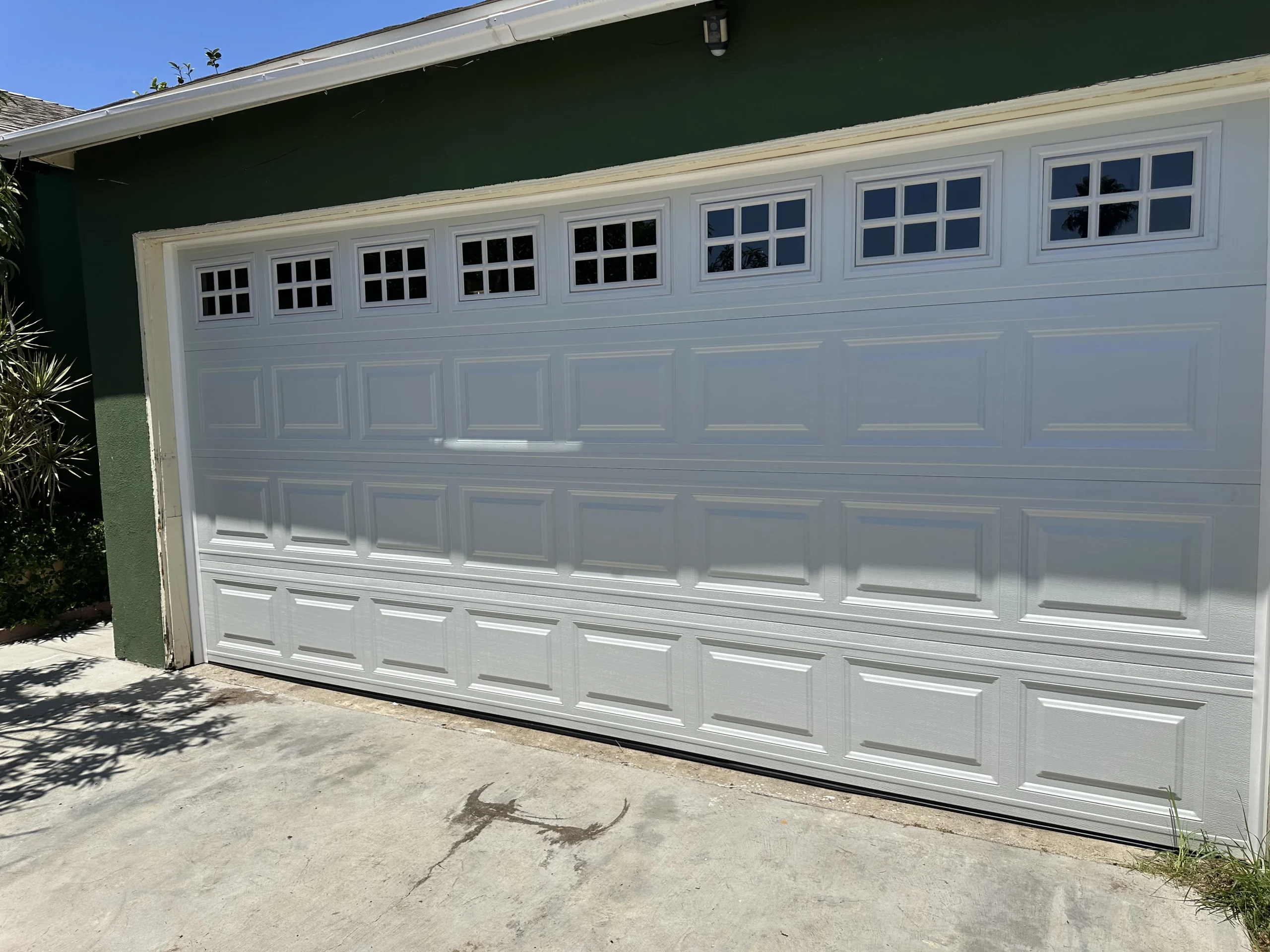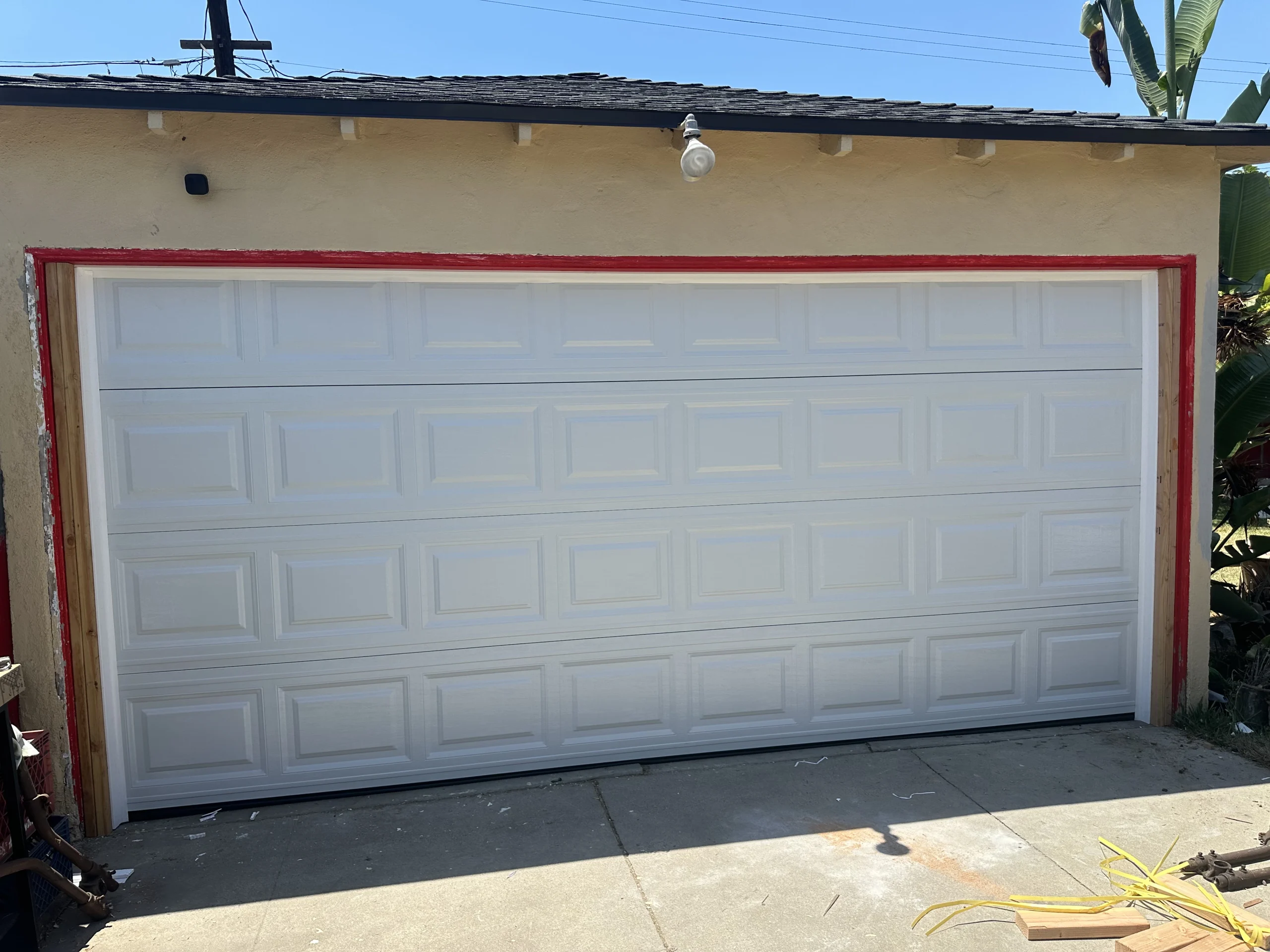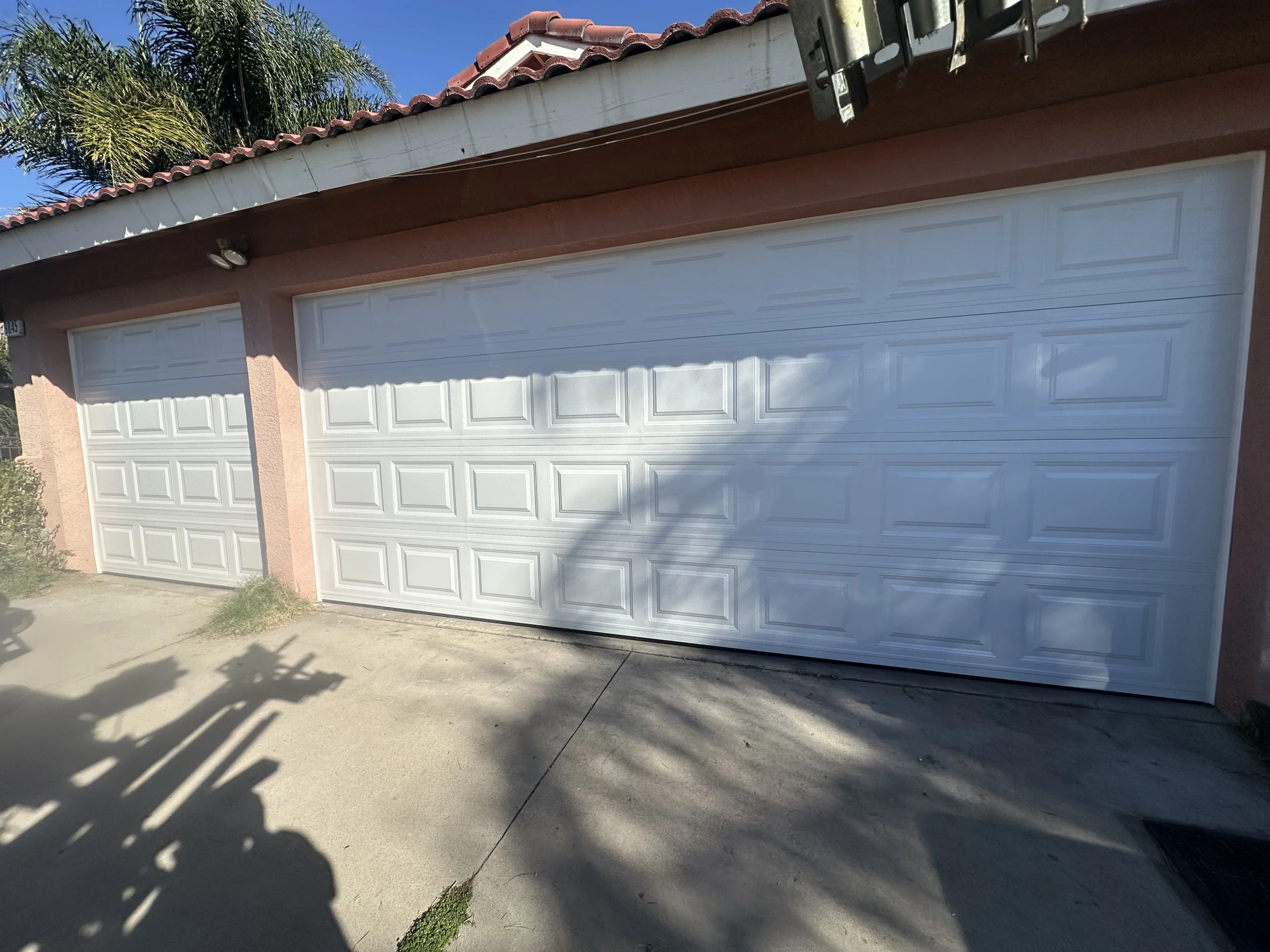
A garage door can take up a large share of a home’s front exterior, yet it is often left unchanged long after the paint fades, panels dent, and opener becomes unreliable. A garage door makeover before after can be surprisingly dramatic: the property looks more cared for, the entry works more dependably, and the garage may become safer to use every day.
For Los Angeles homeowners, the right upgrade also has to suit the property. A sleek full-view door may fit a modern home in Culver City, while a raised-panel steel door or carriage-house design may better complement a traditional property in Pasadena or the Valley. The best result is not simply a prettier door. It is one that matches the architecture, operates safely, and holds up to daily use.
What Changes in a Garage Door Makeover Before After
The most visible change is usually color, material, or panel design. Replacing an outdated white door with a warm wood-look finish, a dark contemporary color, or a clean new steel panel can give the entire front of the building a more intentional appearance. Windows, decorative hardware, and horizontal panel layouts can add character without requiring a major exterior remodel.
The less visible changes often matter just as much. Older doors can be noisy, poorly balanced, difficult to seal, or weakened by damaged sections and worn hardware. A makeover is a good opportunity to assess the springs, cables, tracks, rollers, hinges, bottom seal, and opener. A door that looks new but struggles to open is not a complete upgrade.
Before work begins, homeowners often notice one or more familiar problems: faded paint, dents from vehicles or sports equipment, cracked panels, rust near the bottom edge, rattling movement, or an opener that sounds louder than it should. After the right repair or replacement, the door should move smoothly, close evenly, and provide a cleaner visual frame for the home.
Start With the Condition of the Existing Door
Not every makeover requires full replacement. If the door is structurally sound and the style is still a good fit, targeted repairs and refinishing may deliver a meaningful improvement. Replacing damaged sections, installing new weather seals, repairing the track system, updating the opener, and applying a suitable exterior finish can refresh a door at a lower project cost.
That approach has limits. Paint will not correct warped panels, deep corrosion, repeated alignment problems, or an aging door that lacks the insulation and security features a property needs. When several components are failing at once, replacement can be the more practical long-term choice. It avoids putting money into a door that may need major work again soon.
A professional inspection helps separate cosmetic concerns from operating and safety concerns. Garage door springs and cables are under significant tension, so homeowners should not try to adjust or replace them as part of a DIY makeover. A qualified technician can identify whether the issue is isolated, repairable, or a sign that the system has reached the end of its useful service life.
Choose a Style That Belongs on the Property
The strongest before-and-after transformations look natural rather than forced. The garage door should support the home’s exterior instead of competing with it. Consider the roof color, trim, front door, exterior lighting, windows, and driveway gate before choosing a finish.
Contemporary homes often work well with flush or horizontal panels, dark finishes, frosted glass, or full-view aluminum and glass doors. Traditional and Spanish-inspired homes may benefit from raised panels, subtle windows, wood-look textures, or carriage-house details. For a small business or light commercial property, a clean, durable sectional door can make the entrance look more professional while supporting dependable daily access.
Color deserves careful thought. Black, charcoal, and dark bronze create contrast but can show dust and water spots more easily. White and light neutral colors are versatile, though they may not create the same dramatic change on a pale exterior. Wood-look finishes bring warmth without the maintenance demands of natural wood, but the tone should coordinate with other visible wood or metal accents.
Windows can improve the design and bring natural light into the garage, but they are not right for every setting. Privacy, direct sun exposure, and security should guide that decision. Frosted or obscure glass may be a better choice when a garage faces a busy street or is used to store valuable equipment.
Make Function Part of the Upgrade
A beautiful new door should not create new daily frustrations. Before selecting a replacement, consider how often the door operates, whether the garage gets uncomfortably hot or cold, and whether family members need quieter access early in the morning or late at night.
Insulated garage doors can help reduce heat transfer, especially when the garage is attached to the home or used as a workshop, gym, or storage area. Insulation does not turn a garage into a fully conditioned room, but it can make the space more comfortable and improve the door’s overall feel and durability.
An updated opener can also change the experience more than many homeowners expect. Modern systems may offer quieter operation, battery backup, smartphone controls, improved lighting, and safety features that support reliable access during a power outage. The right opener depends on the door’s size, weight, and use. A heavier insulated or custom door needs equipment matched to its actual demands.
Do not overlook the seal at the bottom and sides of the door. Worn weatherstripping lets in dust, leaves, insects, and wind-driven rain. In many Southern California neighborhoods, a properly sealed garage also helps keep outdoor debris from finding its way into storage areas and living spaces.
Budget for the Whole Result, Not Just the Door
A garage door project can range from a cosmetic repair to a complete custom installation. The final cost depends on door size, material, insulation, windows, hardware, opener selection, repair needs, and installation complexity. A two-car garage door, for example, requires a different budget and support system than a standard single-car door.
It is tempting to focus only on the lowest door price, but installation quality is part of the value. Proper track alignment, spring sizing, balance, safety sensor setup, and opener adjustment all affect how well the system performs. Cutting corners here can lead to noise, premature wear, unreliable operation, and avoidable repair calls.
Ask for a clear explanation of what is included in the quote. That should cover removal of the old door when applicable, installation, necessary hardware, testing, and any recommended repairs to the supporting system. If the door is being matched with a driveway gate or other access-control upgrade, planning both projects together can create a more cohesive exterior.
Prepare for a Better Before-and-After Result
Before installation or major repair, clear vehicles, tools, and storage away from the work area. Make sure the technician can access the garage door, opener, electrical outlet, and wall controls. If you are choosing a color or design, view samples outdoors when possible. Sunlight can make a finish look very different from the way it appears under indoor lighting.
Once the work is complete, test the door with the technician and ask how to operate the manual release, use the opener features, and recognize early warning signs. A door that starts squeaking, jerking, hanging unevenly, or reversing unexpectedly should be inspected promptly. Regular maintenance helps protect the look and function you invested in.
For homeowners and property managers who want an upgrade without uncertainty, Samurai Doors and Gates can evaluate the existing system, explain practical options, and complete the work with attention to both security and curb appeal. The right garage door makeover should make coming home, opening up, and closing down feel simpler from the first day onward.