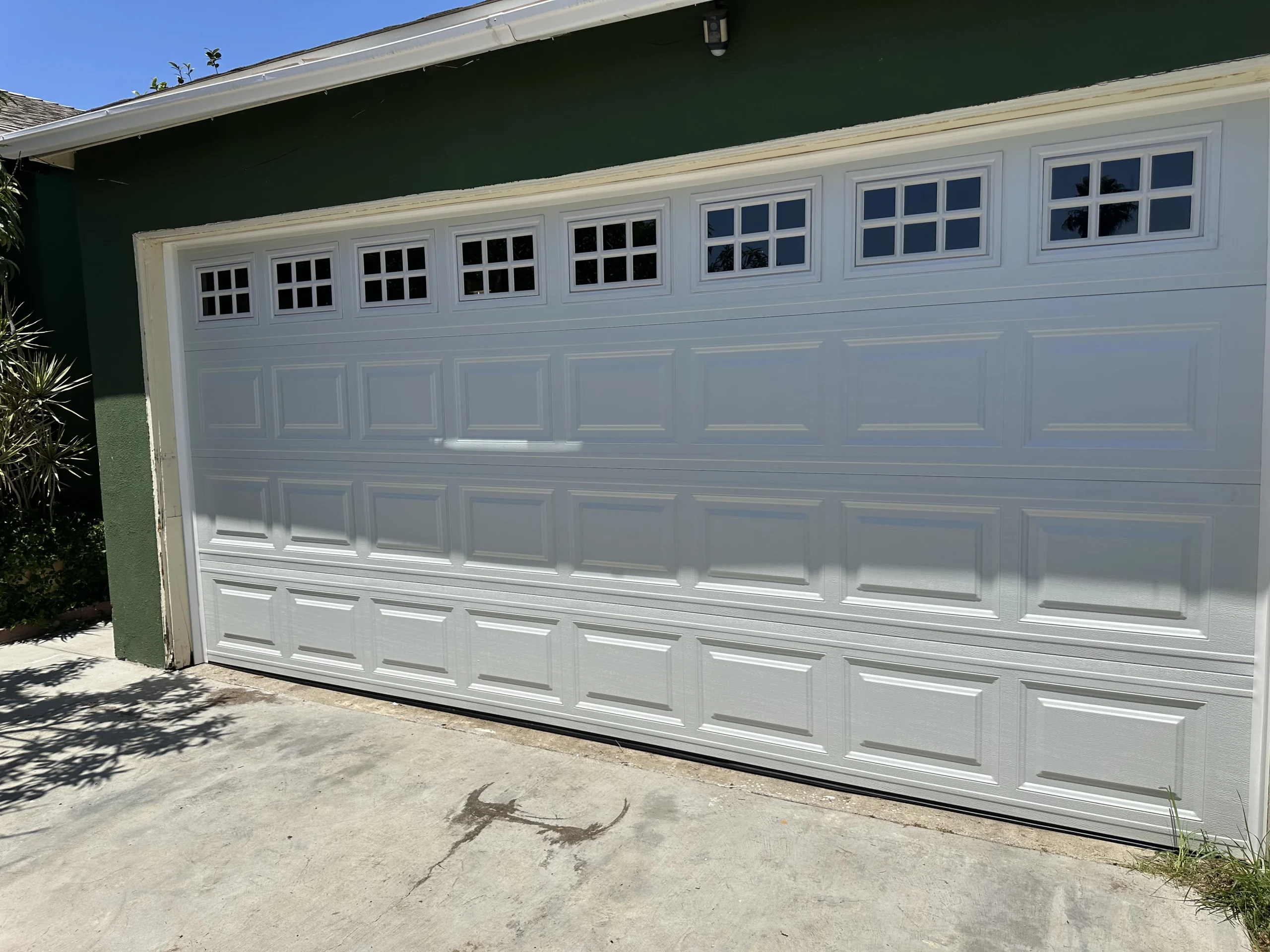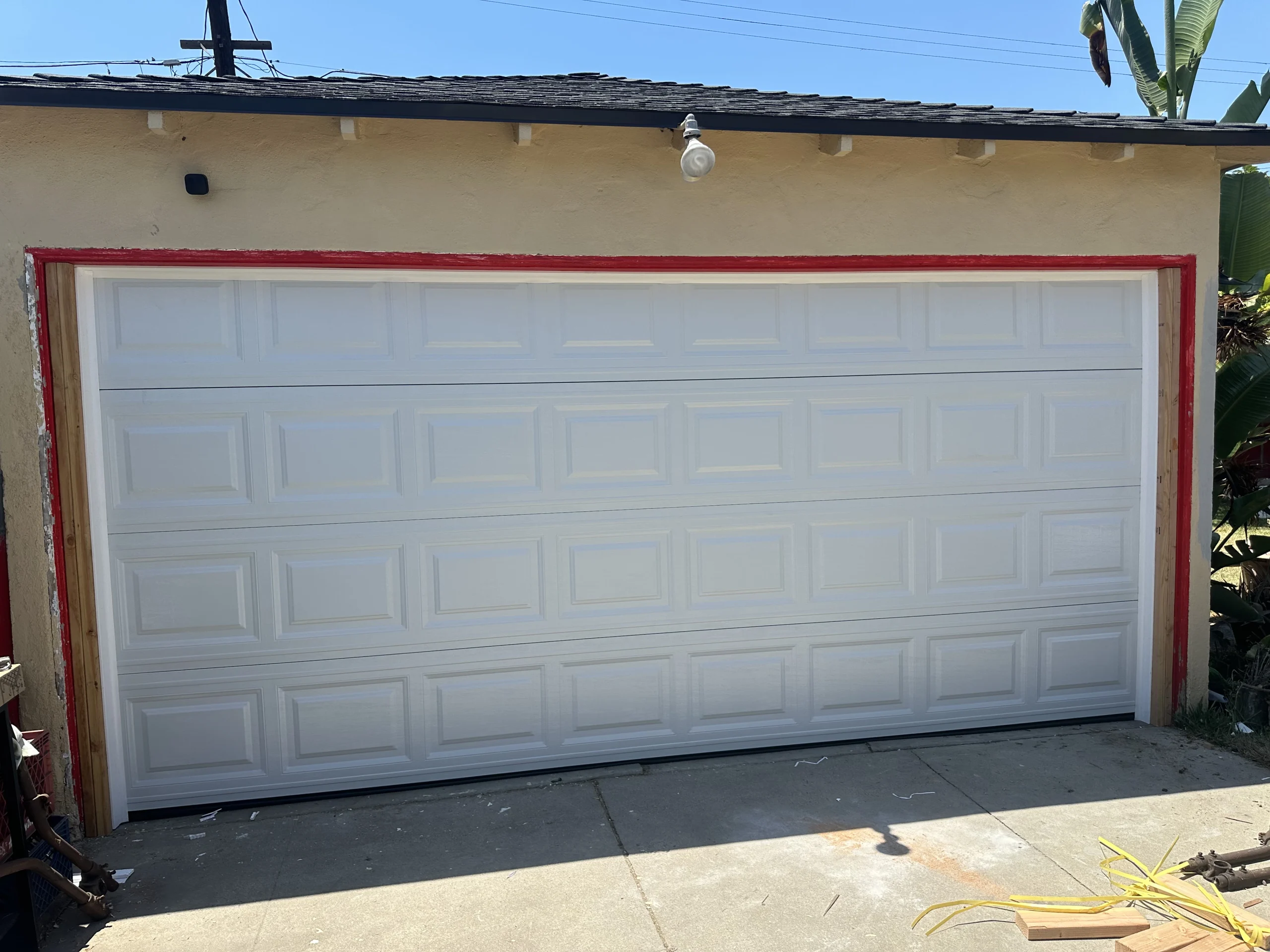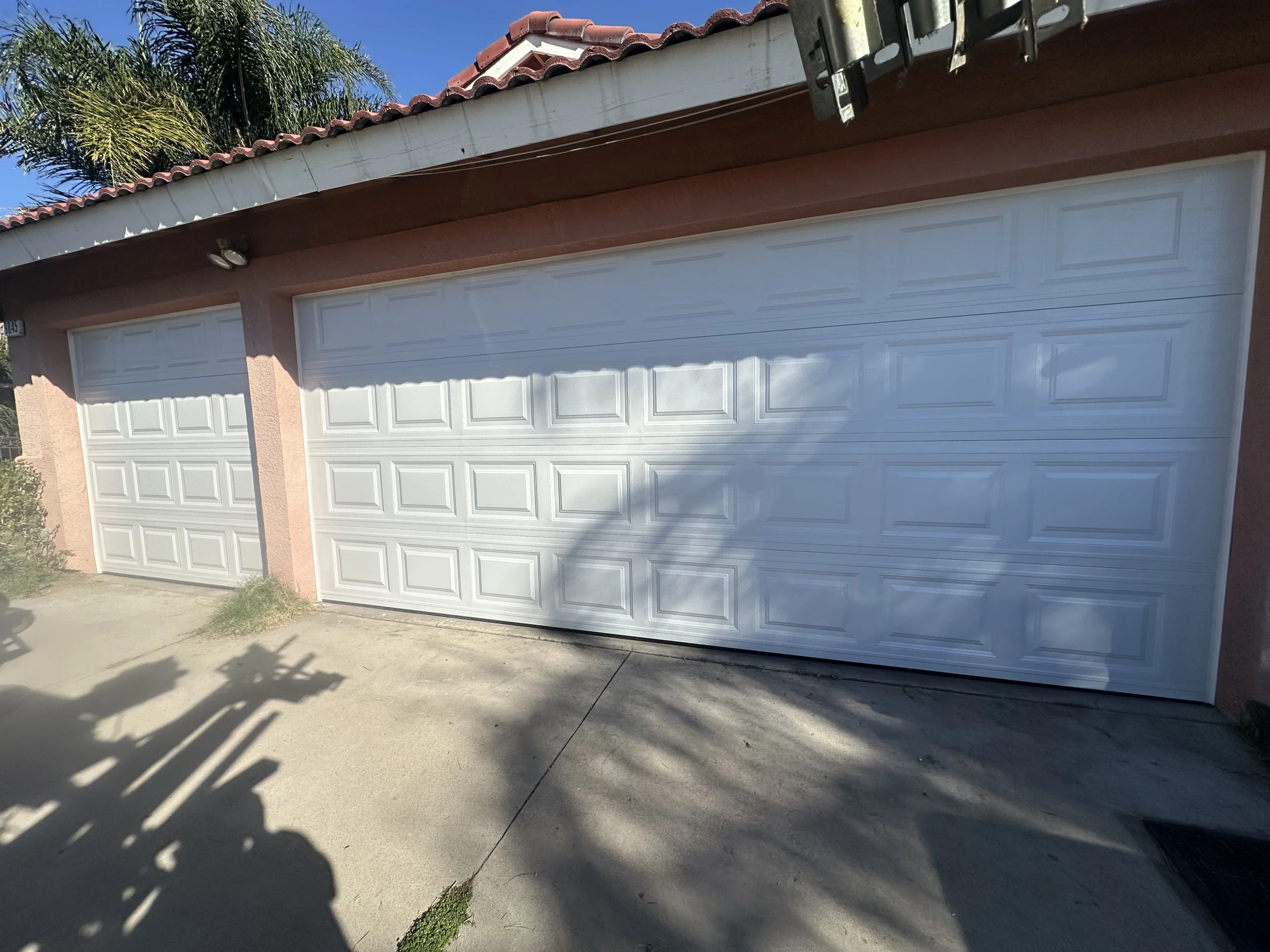
A gate can look like a security problem when it fails, but the real issue is often access. The following Santa Clarita driveway gate case study is a representative example based on situations we commonly handle — a homeowner needed more than a replacement gate. They needed a dependable entry system that worked every day, matched the property, and did not create new safety or maintenance concerns.
The project reflects a common situation for homeowners with aging automated gates: the existing system had become noisy, inconsistent, and difficult to trust. Remote controls worked intermittently, the gate moved unevenly, and the worn appearance no longer matched the home’s exterior. The goal was to replace a frustrating point of entry with a secure, attractive system built around how the household actually used the driveway.
The Problem Was More Than a Worn Gate
The original driveway gate had been in service for years. Its mechanical components showed wear, and the automatic opener was no longer delivering consistent performance. Some days, the gate would open slowly. Other times, it would stop before reaching its full travel position or require the homeowner to use a manual release.
That inconsistency affects more than convenience. A driveway gate that cannot be counted on can leave residents waiting outside their own property, interfere with deliveries, and create unnecessary stress when arriving home late. If a gate does not close properly, it can also undermine the security benefit it was meant to provide.
The homeowner did not want to simply replace the opener and hope for the best. The gate itself was aging, its alignment had deteriorated, and the layout needed a closer look before any new automation was installed. Reusing compromised hardware can sometimes save money upfront, but it may lead to repeat service calls and a shorter lifespan for the new operator.
A Santa Clarita Driveway Gate Case Study Starts With the Site
A driveway gate is not a one-size-fits-all product. Before recommending a style or opener, the project required an on-site review of the opening, driveway slope, available side clearance, existing posts, electrical access, and the condition of the surrounding structure.
In this case, a sliding gate was the practical choice. The driveway layout did not provide ideal room for a swinging gate, and a swing configuration could have complicated vehicle movement near the entrance. A properly designed sliding gate made better use of the available space while keeping the opening clear for daily arrivals and departures.
This is where homeowners can benefit from professional guidance. A gate design that looks good in a photo may not work well on a specific property. Sliding gates need a clear travel path. Swing gates need adequate room through their full arc. Uneven surfaces, narrow driveways, drainage concerns, and vehicle turning patterns all influence the right choice.
The site review also revealed that the existing posts needed attention. Posts carry the load and help keep the gate aligned. If they are loose, out of plumb, or weakened by age, installing a new gate without correcting the foundation can lead to dragging, binding, or premature component wear.
Choosing Security Without Making the Entry Feel Closed Off
The homeowner wanted greater privacy and security, but did not want the driveway entrance to feel overly industrial or heavy. The selected design balanced those goals with a custom metal gate that complemented the home’s existing exterior details.
Material and style choices matter for both appearance and upkeep. Decorative iron can create a classic, open look, while solid or partially solid panels offer more privacy. Aluminum can be a useful option where lower weight is a priority. Steel offers strength and design flexibility, though the finish and ongoing maintenance should be appropriate for the environment.
For this project, the design incorporated clean lines and enough visual openness to preserve curb appeal. The finish was selected to coordinate with the property’s fencing and exterior accents. The result was a gate that improved the boundary of the property without looking disconnected from the home.
There is always a trade-off between privacy and visibility. A fully enclosed gate can provide more screening, but it may feel imposing and can catch more wind. An open design can feel more welcoming and reduce wind load, but it offers less privacy. The best answer depends on the property, the neighborhood, and the homeowner’s priorities.
Installing the Gate and Automation as One System
The installation was planned as a full access-system upgrade rather than a gate-only project. That distinction matters. The gate, track or rolling hardware, operator, controls, safety devices, posts, and electrical connections must work together. A high-quality gate will not perform well if the operator is undersized or the travel path is not properly prepared.
The work began by removing the aging equipment and evaluating the support structure. The installation team corrected alignment concerns, prepared the gate path, and installed the new gate to move smoothly through its full range. Proper alignment reduces strain on the operator and helps prevent the vibration, dragging, and uneven movement that homeowners often associate with older gates.
The automatic opener was selected for the gate’s size, weight, and expected use. This is not an area where bigger is always better. An operator should be properly matched to the gate and its duty cycle. A household with a few daily vehicle trips has different needs than a busy multi-family or light commercial property with frequent access throughout the day.
Safety devices were also part of the plan. Automated driveway gates should include appropriate protection against entrapment and should be tested before being placed into regular service. Depending on the setup, that may include photo eyes, monitored sensing devices, warning features, and carefully adjusted operator settings. Pedestrian access should be handled through a separate pedestrian gate rather than by walking through the path of an automated vehicle gate.
The Result: Reliable Access With a Better First Impression
Once the installation and testing were complete, the homeowner had a driveway gate that opened and closed predictably, moved quietly, and gave the property a more finished appearance. Remote access controls made daily use easier, while the updated gate created a stronger visual boundary at the front of the home.
The most meaningful improvement was confidence. Instead of wondering whether the gate would respond at the end of a long day, the homeowner had a system designed around dependable operation. That is the practical value of a well-planned gate replacement. Security should not come at the cost of daily frustration.
The project also showed why appearance and function should be considered together. A driveway gate is often one of the first things visitors, neighbors, and prospective buyers notice. A damaged or outdated gate can make an otherwise well-maintained property feel neglected. A properly designed replacement can improve curb appeal while providing a clear access-control benefit.
What Homeowners Can Learn From This Project
The central lesson is that recurring gate trouble should be diagnosed at the system level. Replacing a remote, adding a new opener, or making repeated minor repairs may be reasonable when the gate structure is sound. But when a gate is misaligned, its support posts are compromised, and its automation is outdated, a coordinated replacement can be the more dependable long-term decision.
Homeowners should also think about how they use the entrance before choosing a design. Consider who enters the property, how often the gate cycles, whether delivery access is needed, where pedestrians will enter, and how much privacy is desired. These details influence the gate style, operator capacity, control options, and safety features.
Regular maintenance helps protect the investment after installation. Keeping the travel area free of debris, watching for unusual sounds, checking that safety devices remain unobstructed, and scheduling service when operation changes can prevent small concerns from becoming larger repairs. A gate should never be forced when it binds or stops unexpectedly, since doing so can damage the operator or create a safety issue.
For homeowners considering a new driveway gate or an upgrade to an unreliable system, an on-site assessment is the right first step. Samurai Doors and Gates helps property owners evaluate the full picture, from gate design and structural condition to automation, safety, and everyday convenience. A well-built gate should make coming home feel simpler, safer, and more secure.