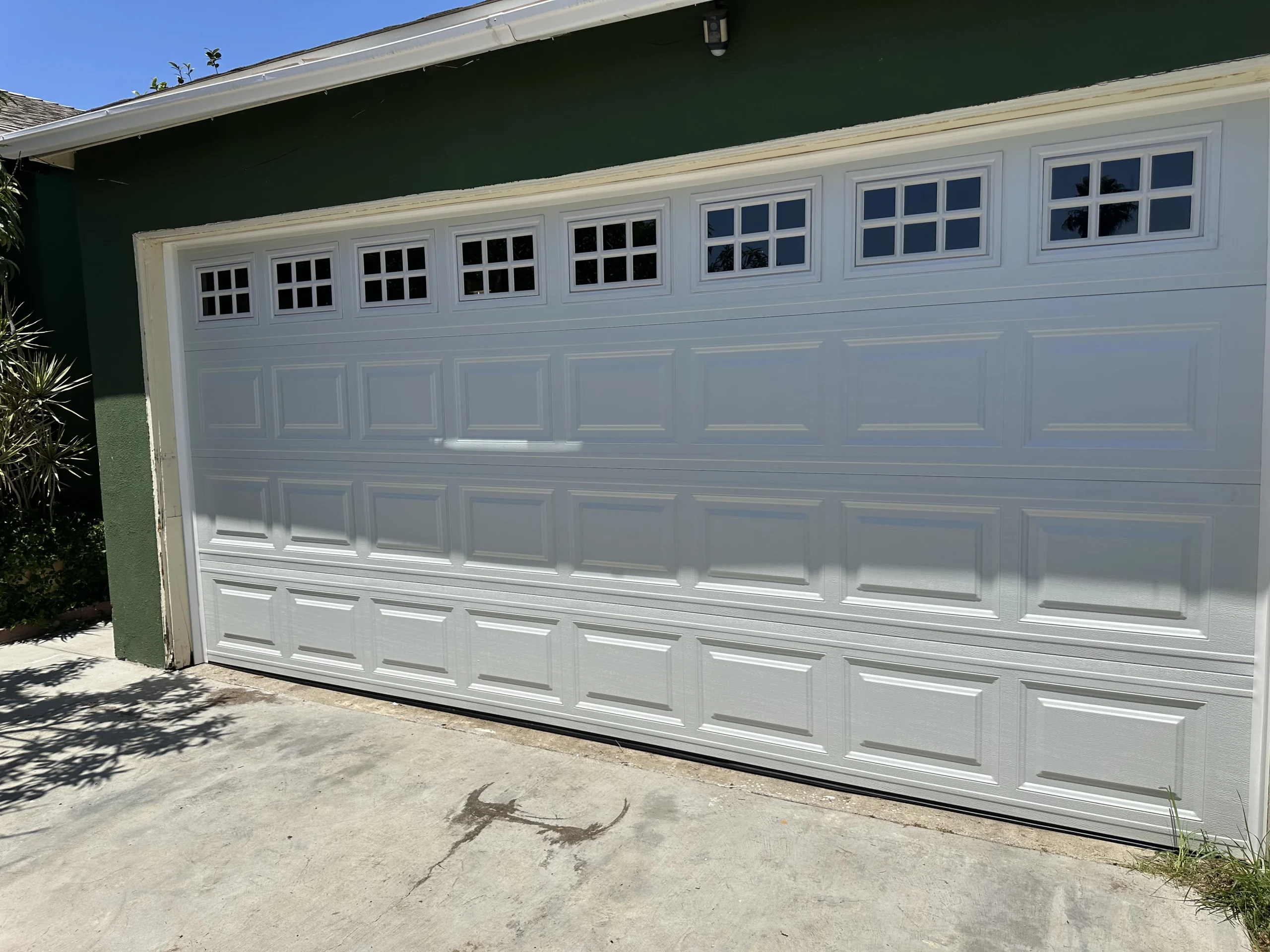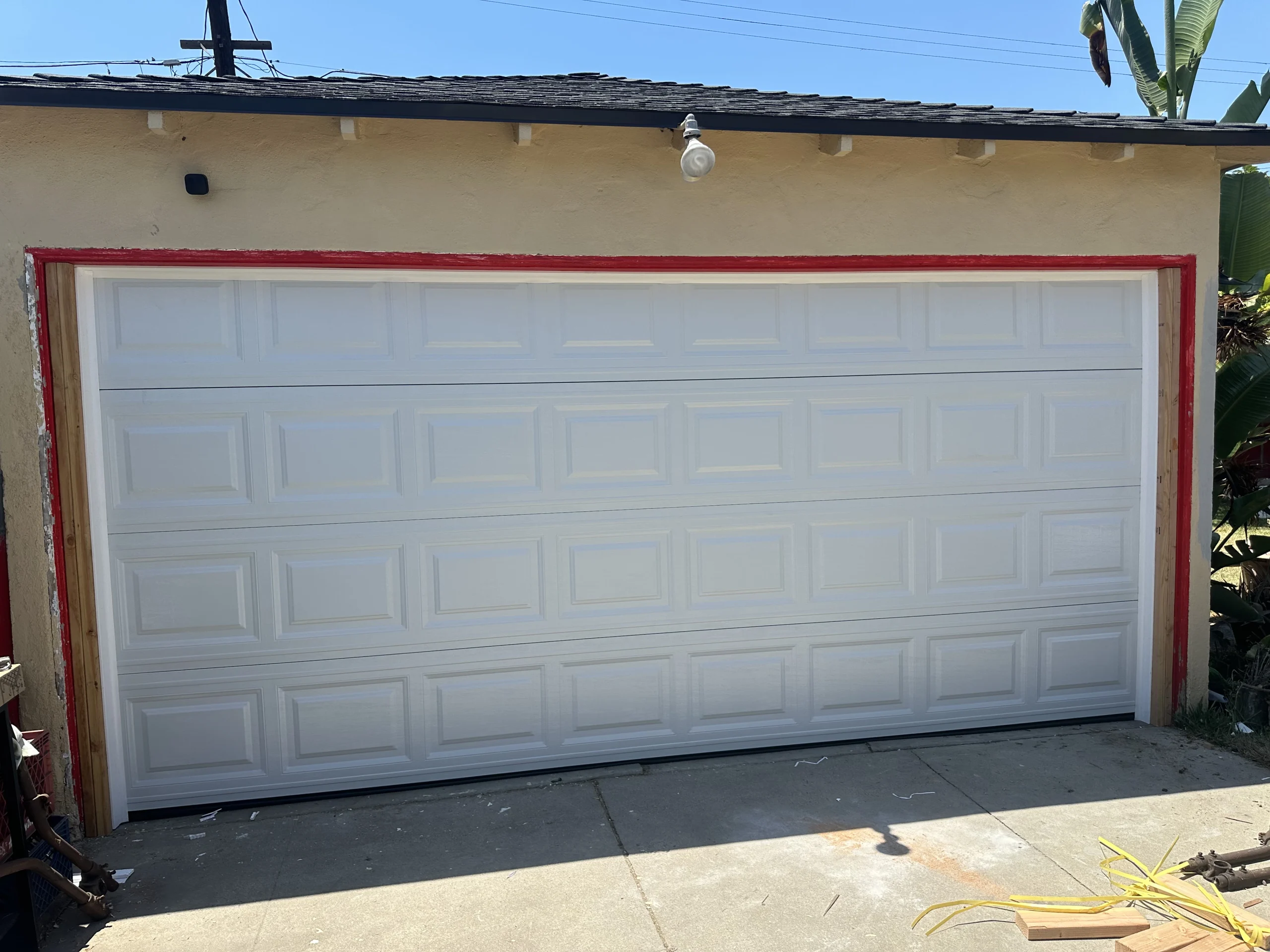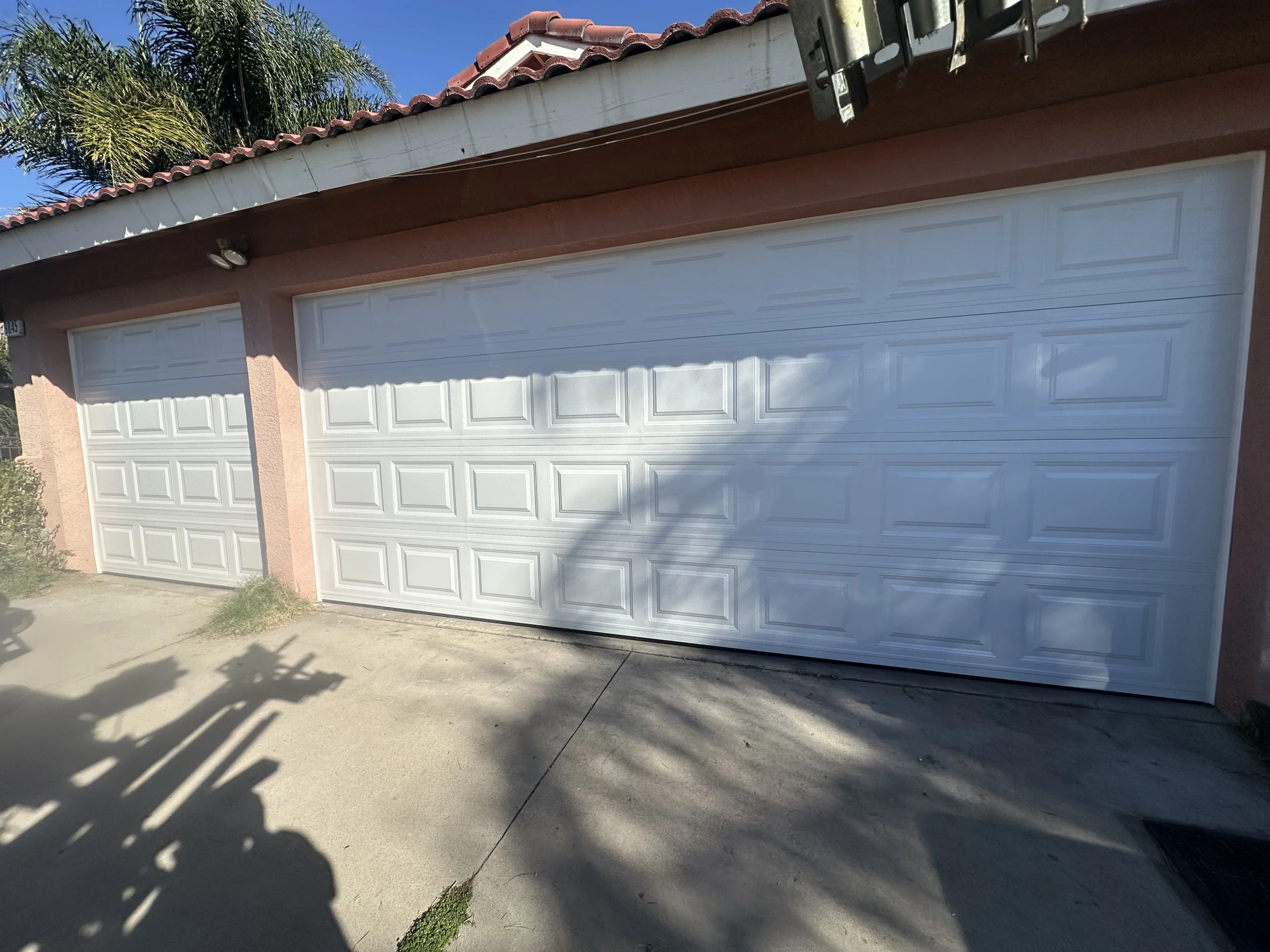
A door that sticks halfway open at 7 a.m. can delay a homeowner’s commute, leave a shop unable to receive deliveries, or expose a property when no one is there to watch it. Overhead doors do much more than cover an opening. They help control access, protect vehicles and equipment, support security, and shape the appearance of a home or business.
For Los Angeles property owners, choosing the right system is not only about finding a door that looks good. It is about matching the door, hardware, insulation, and operator to how the property is used every day. A properly selected and professionally installed door should open smoothly, close securely, and remain dependable through frequent use.
What Counts as an Overhead Door?
An overhead door is designed to travel upward instead of swinging out across a driveway or walkway. Most residential garage doors are sectional overhead doors, made of horizontal panels that bend along curved tracks and rest parallel to the ceiling when open. Light commercial properties may use sectional steel doors, rolling steel doors, or higher-cycle systems built for repeated daily operation.
The basic movement may look simple, but the system works because several components operate together: tracks guide the door, rollers carry it, cables and drums lift it, springs counterbalance the weight, and an opener automates movement. When one part is worn, loose, or out of adjustment, the entire system can become noisy, uneven, or unsafe.
That is why a door should be evaluated as a complete access system, not just as a set of panels. A beautiful replacement door will not perform well for long if the springs are undersized, the tracks are damaged, or the opener is not rated for its weight.
Choosing Overhead Doors for Your Property
The best choice depends on the opening, the building’s use, and your priorities. Homeowners often want a balance of curb appeal, quiet operation, insulation, and security. Property managers may need doors that hold up under many users and minimize maintenance calls. A small business may care most about durability, delivery access, and dependable operation at opening and closing time.
Start with the way the opening is used
A detached garage used mostly for storage has different needs than an attached garage beside bedrooms or a commercial bay used several times each day. Frequent use calls for stronger hardware, correctly sized springs, and an opener designed for the workload. Choosing a lower-duty system to save money upfront can lead to earlier wear and more disruptions later.
Consider who uses the door, too. Families may benefit from quieter belt-drive openers, safety sensors, and keypad or smartphone access. A property manager may prefer controlled remote access and an operator that can handle multiple users. Commercial settings may require heavy-duty operators, high-lift track configurations, or rolling doors where ceiling space is limited.
Select materials with both appearance and upkeep in mind
Steel is a popular overhead door material because it is durable, adaptable, and available in many colors and panel styles. It can suit a traditional home, a modern property, or a practical commercial space. Insulated steel doors add energy efficiency and can make an attached garage more comfortable and noticeably quieter.
Wood offers warmth and architectural character, particularly for custom homes, but it generally requires more regular care to protect it from sun exposure and moisture. Aluminum and glass doors create a clean, contemporary look and allow natural light into a garage or showroom. The trade-off is privacy and insulation, depending on the glass selected.
There is no universal best material. A beach-area property, a high-sun location, and a busy commercial building can each place different demands on finishes, hardware, and maintenance. The right recommendation starts with the building, not a one-size-fits-all door.
Do not overlook insulation and weather sealing
Insulation matters most when the garage connects to the home, functions as a workspace, or stores temperature-sensitive items. A well-insulated door can reduce heat transfer, help soften outside noise, and improve overall comfort. It will not turn a garage into a fully conditioned room on its own, but it can make a meaningful difference.
Weather seals along the bottom and sides also deserve attention. Worn or flattened seals can let in dust, leaves, wind, pests, and water. In areas where windblown debris is common, a tight seal helps keep the space cleaner and protects what is inside.
Safety Features Are Not Optional
Modern garage door systems should include photo-eye safety sensors that stop or reverse the door when an object crosses the opening. The automatic reverse function should also be tested periodically. If the door closes on an object instead of reversing promptly, stop using the opener until the issue is corrected.
A manual release is another essential feature. It allows the door to be operated by hand during a power outage, but it must be used correctly. The door should be fully closed before disengaging the opener whenever possible. A poorly balanced door can move suddenly when released.
Springs and cables require particular caution. Garage door springs are tightly wound under significant tension, while cables carry the door’s lifting load. A broken spring, frayed cable, or cable that has come off its drum is not a do-it-yourself repair. Keep people clear of the opening and arrange professional service. Attempting to adjust these parts without the proper training and tools can result in serious injury or further damage.
Signs Your Door Needs Repair Before It Fails
Most overhead door problems give warnings before they become an emergency. A door that squeaks or rattles may only need maintenance, but new or worsening noise can also point to worn rollers, loose hardware, or a struggling opener. A door that opens crookedly, pauses unexpectedly, or leaves a gap along one side needs timely attention.
Watch for slow response from the opener, repeated sensor issues, visible cable damage, bent tracks, cracked panels, or a door that feels unusually heavy when operated manually. If the opener runs but the door does not move, a broken spring may be the cause. Continuing to press the remote will not fix the issue and can put extra strain on the operator.
For businesses, downtime has a direct cost. A service bay that will not open, a storage door that will not secure, or an entry system that works inconsistently can interrupt employees and customers. Fast repair is valuable, but accurate diagnosis matters just as much. Replacing only the obvious failed part may not solve the condition that caused the failure.
Preventive Maintenance Extends Service Life
A professional maintenance visit can identify worn components before they fail and help preserve the life of the door and opener. Technicians can inspect spring balance, cable condition, roller wear, track alignment, safety sensors, mounting hardware, and opener settings. They can also apply the correct lubricant to moving metal parts and tighten hardware that has loosened through normal vibration.
Between service appointments, property owners can help by keeping the tracks clear, wiping photo-eye lenses clean, and listening for changes in operation. Avoid applying heavy grease to tracks. It tends to collect dust and debris, which can interfere with roller movement. Do not remove or loosen bottom brackets, cables, or spring components.
For a typical residence, annual professional maintenance is a practical baseline. Doors that open many times per day, serve multiple tenants, or support business operations may need more frequent inspection. The schedule should reflect use, not just the calendar.
Repair or Replace? Make the Decision on Value
Repair is often the sensible option when the panels are in good shape and the problem is limited to a spring, cable, roller, sensor, track adjustment, or opener component. A properly completed repair can restore safe, reliable operation without the cost of replacing the full system.
Replacement becomes worth considering when the door has major structural damage, repeated failures, severe rust, poor insulation, outdated safety features, or a style that no longer suits the property. A new door can also be a strong curb-appeal improvement, especially when paired with a compatible opener and properly fitted weather seals.
A clear assessment should explain both paths. Homeowners and business owners deserve to know whether a repair is likely to provide reliable service or merely postpone a larger issue. Samurai Doors and Gates helps local customers make that decision based on the condition of the complete system, their budget, and how the property needs to function.
When your door starts sounding different, moving unevenly, or failing to secure the opening, treat it as an early service signal. Addressing a small problem while the door is still operating can protect your schedule, your property, and the people who rely on that entrance every day.